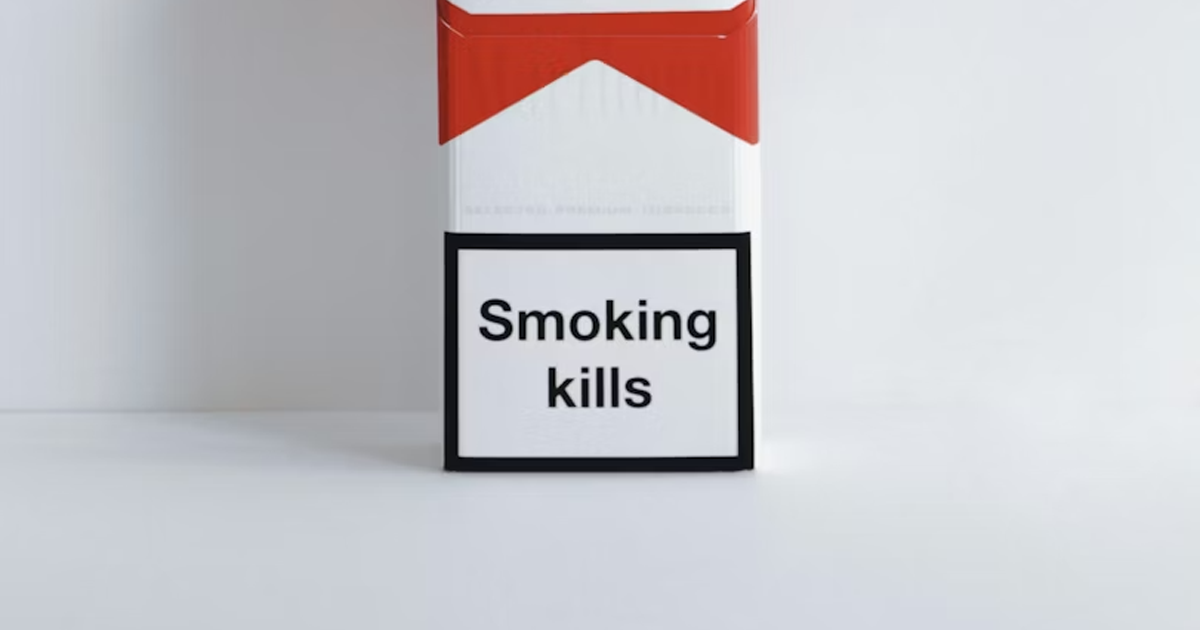
Lifestyle habits play a major role in oral health, yet they are often overlooked until serious dental problems arise. In Zambia, smoking and alcohol consumption are common habits among adults—and both can have a significant negative impact on teeth, gums, and overall oral wellbeing.
This article explains how smoking and alcohol affect oral health in Zambia, the dental problems they can cause, warning signs to watch for, and practical steps you can take to protect your smile.
Why Lifestyle Habits Matter for Oral Health in Zambia
Your mouth is the gateway to your body, and lifestyle choices directly influence its health. Smoking and alcohol affect:
In Zambia, limited routine dental visits mean the damage from these habits often goes unnoticed until advanced stages.
How Smoking Affects Oral Health in Zambia
Smoking is one of the leading causes of preventable dental problems.
Smoking and Gum Disease
Smoking:
Reduces blood flow to gums
Weakens the immune response
Masks early signs of gum disease
Smokers are far more likely to develop:
Gingivitis
Periodontitis
Tooth loss
Gum disease in smokers often progresses silently.
Smoking and Tooth Discoloration
Tobacco stains teeth by:
Depositing tar and nicotine on enamel
Causing yellow or brown discoloration
Making stains harder to remove
Professional cleaning and whitening can help, but stains return quickly if smoking continues.
Smoking and Bad Breath
Smoking causes chronic bad breath by:
Bad breath from smoking often persists even with brushing.
Smoking and Delayed Healing After Dental Treatment
Smokers experience:
Slower healing after extractions
Higher risk of dry socket
Increased implant failure rates
Smoking significantly reduces treatment success.
Alcohol and Oral Health in Zambia
Alcohol also has a strong impact on oral health, especially when consumed regularly.
Alcohol and Dry Mouth
Alcohol:
Reduces saliva production
Creates a dry environment
Allows bacteria to multiply
Dry mouth increases the risk of:
Cavities
Gum disease
Bad breath
Alcohol and Tooth Decay
Many alcoholic beverages:
Frequent alcohol consumption raises the risk of tooth decay, especially when combined with poor oral hygiene.
Alcohol and Gum Disease
Alcohol can:
Heavy drinkers are more prone to advanced gum disease.
Smoking, Alcohol, and Oral Cancer Risk in Zambia
The most serious oral health risk associated with smoking and alcohol is oral cancer.
How Risk Increases
Smoking alone increases risk
Alcohol alone increases risk
Combined use multiplies the risk significantly
Common sites include:
Early detection is critical.
Warning Signs of Oral Cancer You Should Not Ignore
Seek dental or medical attention if you notice:
Regular dental exams help detect early changes.
How Smoking and Alcohol Affect Dental Appearance
Lifestyle habits can affect confidence by causing:
Stained teeth
Gum recession
Tooth loss
Persistent bad breath
Cosmetic treatments help—but prevention offers better long-term results.
Smoking, Alcohol, and Dental Treatment Costs in Zambia
Patients who smoke or drink heavily often require:
More frequent treatments
Complex procedures
Longer healing times
Preventive care reduces long-term dental expenses.
Can Quitting Smoking Improve Oral Health?
Yes. Benefits begin quickly after quitting:
Dentists often see noticeable improvement within months.
Reducing Alcohol Consumption for Better Oral Health
Cutting back on alcohol:
Improves saliva flow
Lowers cavity risk
Reduces gum inflammation
Simple changes make a big difference.
Oral Hygiene Tips for Smokers and Alcohol Consumers
If you smoke or drink alcohol:
Brush twice daily with fluoride toothpaste
Floss daily
Drink plenty of water
Use alcohol-free mouthwash
Visit the dentist regularly
Extra care helps reduce damage.
Why Regular Dental Checkups Matter Even More
For smokers and drinkers, regular dental visits:
Early intervention saves teeth and lives.
Professional Dental Support for Lifestyle-Related Oral Problems
Dentists can help with:
Gum disease management
Stain removal
Oral cancer screening
Preventive guidance
Dental care is part of overall health management.
Making Healthier Lifestyle Choices in Zambia
Protecting your oral health does not require perfection—just awareness and consistency:
Reduce smoking frequency
Drink alcohol in moderation
Maintain good oral hygiene
Seek professional dental advice
Small changes create lasting benefits.
Final Thoughts: Smoking, Alcohol, and Oral Health in Zambia
Smoking and alcohol have a powerful impact on oral health in Zambia, contributing to gum disease, tooth decay, bad breath, and increased cancer risk. While the damage can be serious, early action and preventive care make a real difference.
Regular dental checkups, healthier habits, and professional guidance help protect not only your smile—but your overall health.